
Feeding Therapy FAQs
Answers to common questions about feeding therapy for children
If you’re considering feeding therapy for your child, it’s completely normal to have questions.
Many families we see across Sydney, including Maroubra and Sans Souci as well as the broader, Eastern Suburbs, St George area and Sutherland Shire, come to us feeling unsure about what’s typical and when to seek support.
This guide answers the most common questions about paediatric feeding therapy, so you can feel more confident in your next steps.
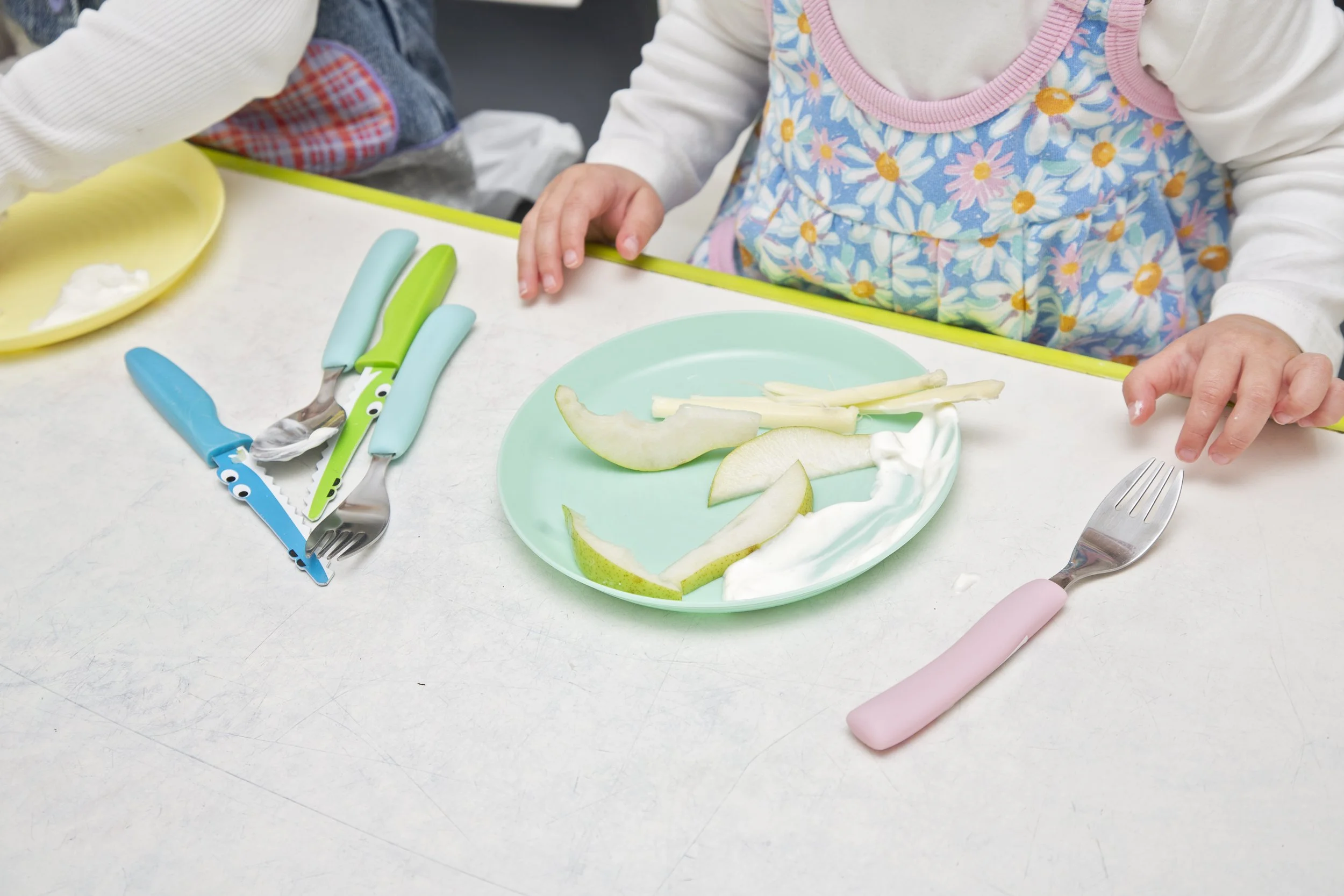
What is feeding therapy?
Feeding therapy is a specialised service provided by speech to support children who have difficulty eating, drinking, or participating in mealtimes.
It focuses on:
Building comfort and confidence with food
Developing oral-motor and chewing skills
Supporting sensory processing differences
Creating positive, low-pressure mealtime experiences
If you’ve been searching “what is feeding therapy?” or “how can I help my child eat?”, this is often the starting point.
Is picky eating normal?
Picky eating can be a normal phase, especially in toddlers. However, it may be helpful to seek support if your child:
Eats fewer than ~20 foods
Avoids entire food groups (e.g., no vegetables or proteins)
Has strong reactions to textures or smells
Experiences distress or anxiety at mealtimes
Many families looking for picky eating help in Sydney find that feeding therapy provides clarity and practical strategies.
When should I see a feeding therapist?
You don’t need to wait for feeding difficulties to become severe.
It may be helpful to seek feeding therapy if:
Mealtimes feel stressful or exhausting
Your child is not progressing with new foods
There are concerns with chewing, swallowing, or gagging
Your child has a medical or developmental history impacting feeding
Early support often leads to better outcomes.
What Happens in a Feeding Therapy Session?
If you’re wondering “what does feeding therapy look like?”, sessions are typically:
Play-based and child-led
Focused on building trust with food
Structured around small, achievable steps
Inclusive of parent coaching and support
At Eat Speak Play, we tailor feeding therapy sessions to your child’s needs and your family’s routine.
Do parents attend feeding therapy?
Yes—parents are a key part of feeding therapy.
You’ll be supported to:
Understand your child’s feeding needs
Learn practical strategies for home
Reduce stress and pressure at mealtimes
Our goal is for you to feel confident supporting your child outside of sessions.
Our therapists also work with educators and teachers at school to support your child with mealtimes in other important environments.
How long does feeding therapy take?
This depends on your child’s needs.
Some children benefit from short-term support, while others may require ongoing therapy to:
Expand their food range
Build oral-motor skills
Reduce anxiety around food
Your therapist will guide you with clear recommendations.
Learn more about our Feeding Therapy services
Read next: Feeding Therapy FAQs
Do I need a referral for feeding therapy in Sydney?
No referral is required to access private feeding therapy.
However, some families may be eligible for:
NDIS funding
Medicare rebates (with GP or paediatrician referral)
If you’re unsure, we can help guide you through your options.
Can feeding therapy help autistic children?
Yes. Feeding therapy can be highly beneficial for autistic children, particularly when feeding challenges are linked to:
Sensory sensitivities
Strong food preferences
Difficulty with change or unpredictability
We use approaches such as the SOS Approach to Feeding and Responsive Feeding Therapy, which are neurodiverse-affirming and respectful of each child’s needs.
Will feeding therapy force my child to eat?
No. Feeding therapy should never involve force, pressure, or withholding food.
At Eat Speak Play, our approach is:
Child-led
Respectful
Focused on safety and trust
We support children to build confidence with food at their own pace.
What if my child gags or chokes on food?
Gagging or choking can be a sign of:
Oral-motor difficulties
Sensory sensitivities
Swallowing challenges
If your child frequently gags, coughs, or struggles with certain textures, it’s important to seek professional support through your speech pathologist.
Where can I access feeding therapy in Sydney?
Eat Speak Play provides feeding therapy across Sydney, including:
Eastern Suburbs
St George area
Sutherland shire
We also offer online feeding therapy (telehealth) for families who prefer support from home or are unable to attend in person.
Online feeding therapy can be highly effective, as it allows therapists to:
Observe your child in their natural mealtime environment
Provide real-time coaching during your usual routines
Support strategies that are practical and tailored to your home setup
This option is particularly helpful for families with busy schedules, children who feel more comfortable at home, or those located outside our immediate clinic areas.
We support children from infancy through to school age with a family-centred, supportive approach—whether in clinic or online.
How do I get started with feeding therapy?
If you’re feeling unsure, overwhelmed, or just want guidance—you’re not alone.
Reach out to our team to discuss your child’s needs - contact us or book online
Learn more about our Feeding Therapy services
Taking the first step can feel big, but it often brings clarity and relief for families.